

What Is a Keyword? Why It Matters and Where SEO Starts
Keywords explained simply: importance, search intent, keyword types, how to choose for your business, and keyword research that drives real customers.
If you have studied what SEO is or online marketing, keyword was probably one of the first terms you encountered.
Many people think keywords are words you repeat as often as possible in articles to rank on Google.
Modern SEO does not work that way.
A keyword is not just what people type — it signals what customers want and where they are in the buying journey.
Choose the wrong keywords and you may get lots of traffic but no customers.
Choose keywords that match real intent — even with modest search volume — and you can outperform high-volume, low-intent traffic.
This article explains what keywords are, why they matter, how to choose them for your business, and how to run keyword research that supports SEO and sales.
What is a keyword?
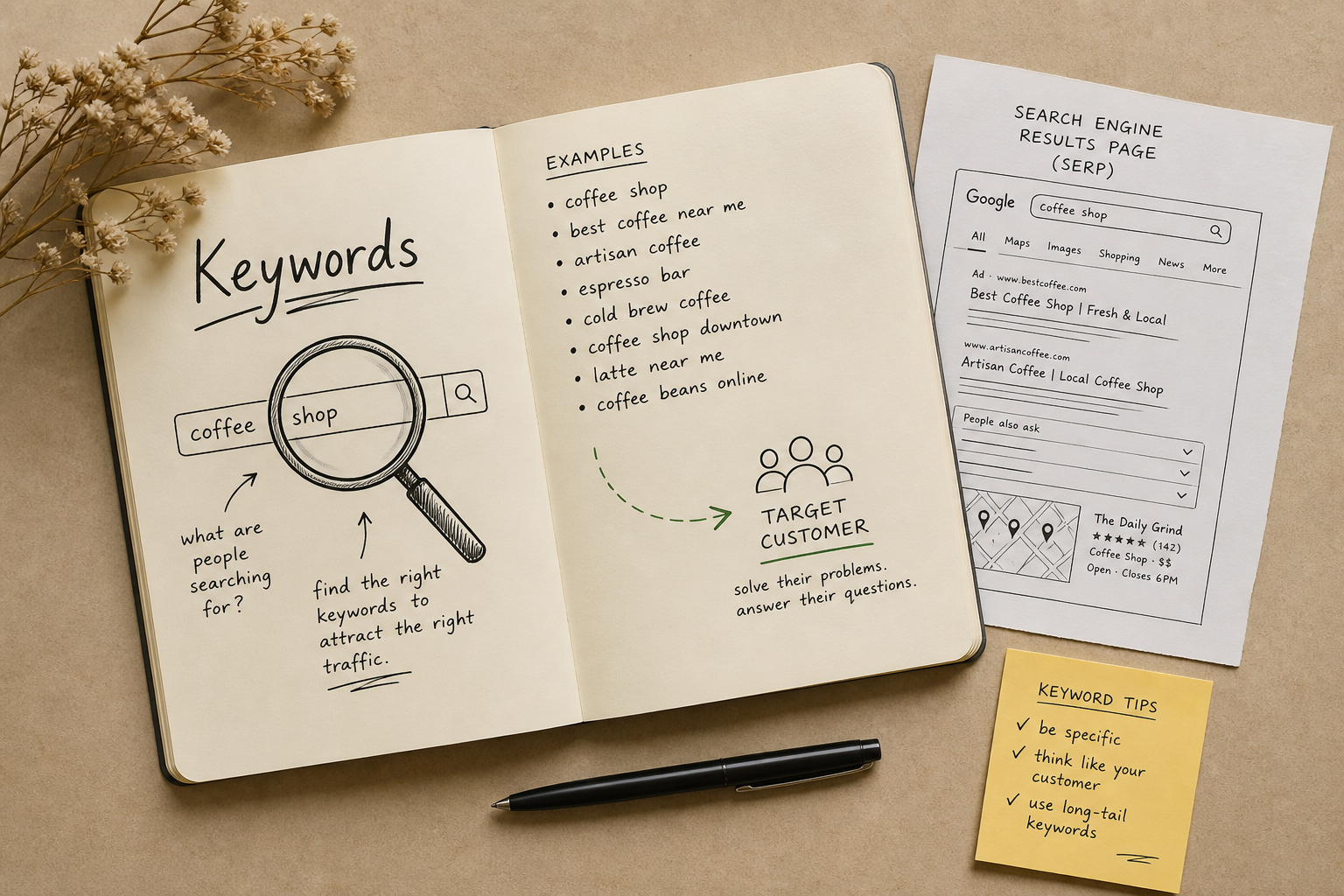
A keyword is a word or phrase someone types into a search engine like Google to find information, products, or services.
Examples include
- air purifier
- SEO services
- accounting firm Bangkok
- how to build a website yourself
For users, keywords are how they search for answers.
For site owners, keywords are opportunities to reach people looking for what you offer.
Why do keywords matter?
Keywords bridge customers and your website.
When your site answers what searchers need, Google is more likely to show it — bringing visitors and potential customers.
Keywords also help businesses
- understand customer needs
- plan content marketing precisely
- grow organic traffic
- improve lead quality
- support SEO and Google Ads
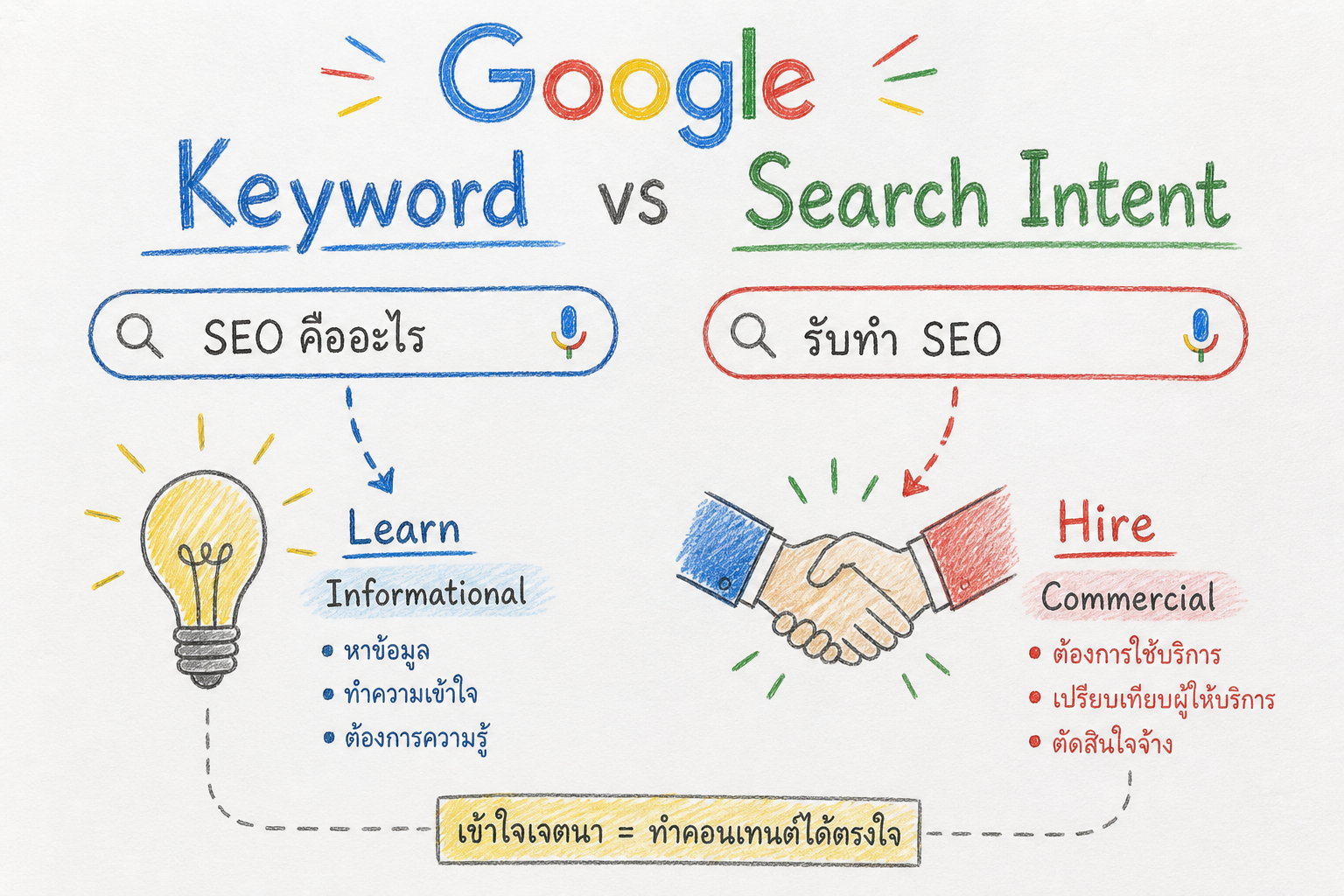
How do keywords differ from search intent?
Many people pick keywords by search volume alone.
Search intent — why someone searches — matters more.
For example
Keyword
The searcher wants knowledge.
Keyword
The searcher likely wants a provider.
Both relate to SEO but need different pages.
Types of keywords
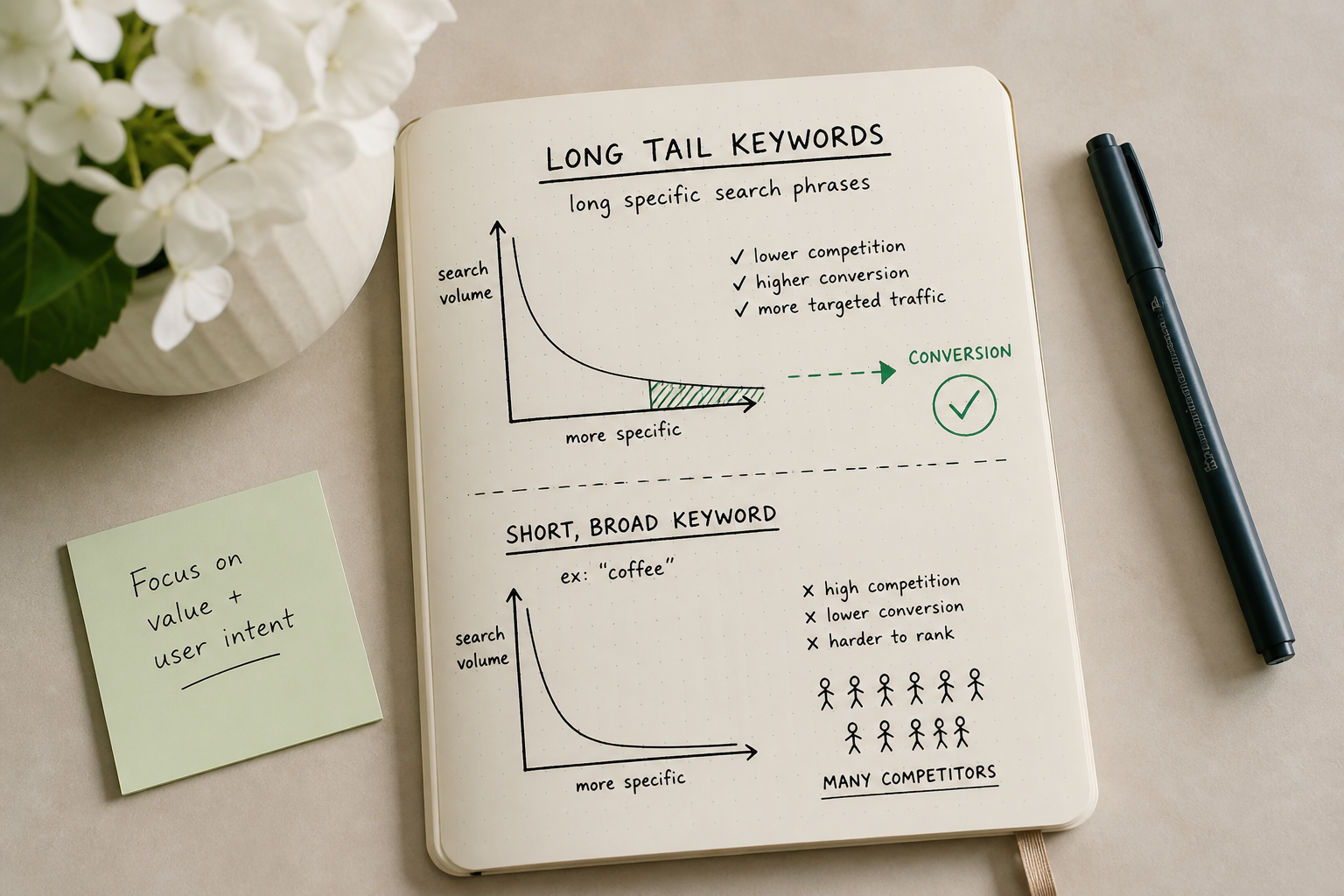
Short-tail keywords
Short terms such as
- SEO
- camera
- car insurance
High search volume, high competition, and often unclear intent.
Long-tail keywords
Longer, specific phrases such as
- B2B SEO services
- bedroom air purifier
Lower volume but often higher conversion.
Informational keywords
Searchers want information, such as
Suited to educational articles.
Commercial keywords
Searchers compare options, such as
- SEO company
- WordPress or Wix
- best air purifier brand
Transactional keywords
Searchers ready to buy or hire, such as
- corporate website design
- landing page services
- buy air purifier
These often convert strongly.
What is keyword research?
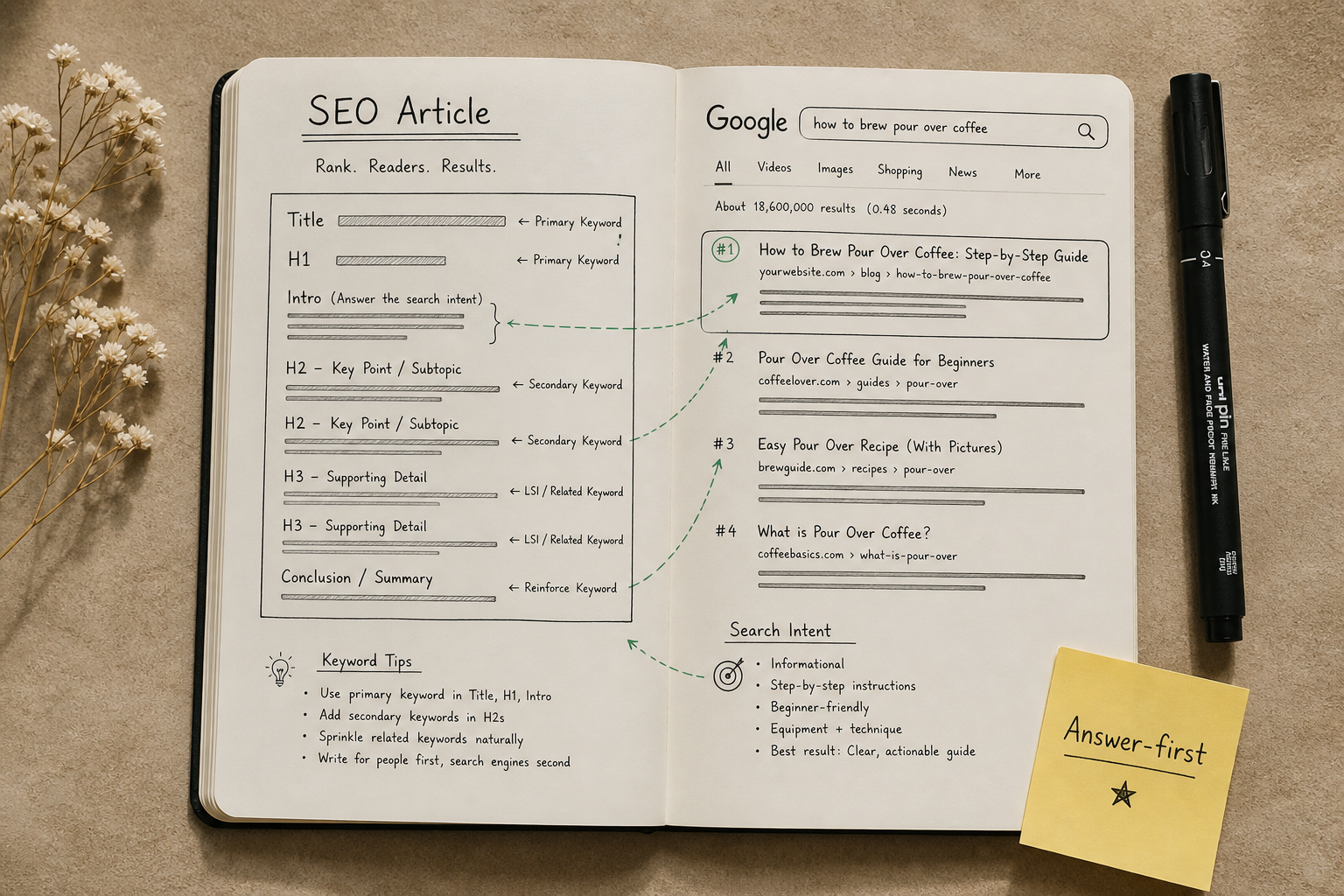
Keyword research finds and analyzes terms your audience actually uses to plan your site and content.
Beyond volume, analyze
- search intent
- competition level
- business relevance
- lead potential
- your site’s ability to compete
How to find keywords
Popular tools include
- Google Keyword Planner
- Google Trends
- Ahrefs
- SE Ranking
- Google Search Console
Google suggestions and competitor rankings also reveal new opportunities.
How to choose keywords for your business
Many businesses chase the highest volume.
Good keyword selection weighs
- fit with products or services
- search intent match
- customer potential
- competitive feasibility
- long-term content support
The goal is not maximum traffic — it is visitors likely to become customers. For expert planning, see our SEO services.
How do keywords differ from topics?
Google understands context better today.
One page stuffed with repeated keywords no longer works.
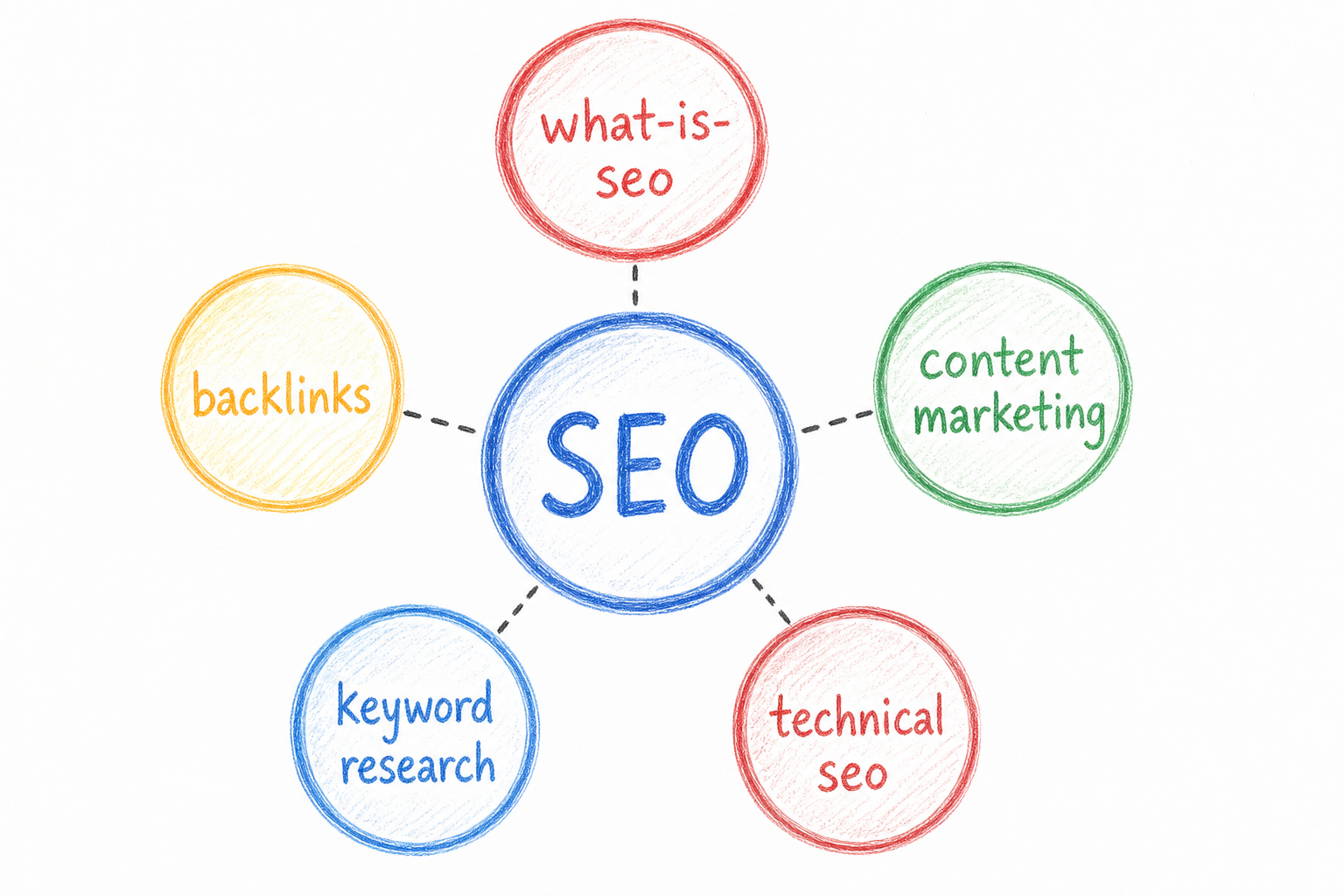
Effective sites build topic clusters.
For example
Hub topic
- SEO
Supporting topics
- what SEO is
- on-page SEO
- technical SEO
- what backlinks are
- keyword research
This structure helps Google understand your expertise.
How does AI search change keyword choice?
People search with longer phrases, such as
- best air purifier for condos
- B2B SEO agency
AI search makes intent even more important.
Sites that answer fully, structure clearly, and link related content earn more references.
Common mistakes
- choosing keywords by volume only
- multiple pages for the same keyword
- ignoring search intent
- keyword stuffing
- weak internal linking
- never updating keywords as behavior shifts
Summary
Keywords are what people search for — and the starting point of effective SEO.
Good keyword choice weighs intent, business fit, and customer potential — not volume alone.
Combine keyword research with quality content marketing, relevant backlinks, intent-matched landing pages, and ongoing analytics to grow organic traffic and conversions sustainably.
Frequently asked questions
How many times should a keyword appear in an article?
There is no fixed count. Use keywords naturally and cover what searchers need.
Are long-tail keywords better?
It depends on your goal, but for many businesses long-tail keywords have lower competition and higher conversion potential.
How often should you do keyword research?
Review at least every 6–12 months, or when your business or search behavior changes.
Can you use AI for keyword research?
Yes. AI helps brainstorm and cluster topics, but pair it with SEO tool data and real search performance.